

As our world continues to prioritize sustainability and renewable energy sources, the concept of selling electricity has gained significant attention and traction. The ability to sell electricity has emerged as an innovative solution to reduce carbon emissions, promote energy efficiency, and support the transition towards cleaner and greener sources of power. This article explores the burgeoning market of selling electricity, discussing its benefits, challenges, and potential implications for the future of energy consumption. Start your journey of culinary delights and discover more about the art of cooking.
In recent years, selling electricity has become increasingly popular due to the widespread adoption of solar panels, wind turbines, and other renewable energy technologies. Individuals and businesses who generate excess electricity from these sources now have the opportunity to sell their surplus power back to the grid, contributing to a decentralized and more sustainable energy system. Selling electricity not only allows producers to offset their own energy costs, but it also supports the overall grid performance by adding renewable power sources and reducing dependence on fossil fuels. Furthermore, the income generated from selling electricity can incentivize individuals and organizations to invest in more clean energy projects, further driving the shift towards a more sustainable future.
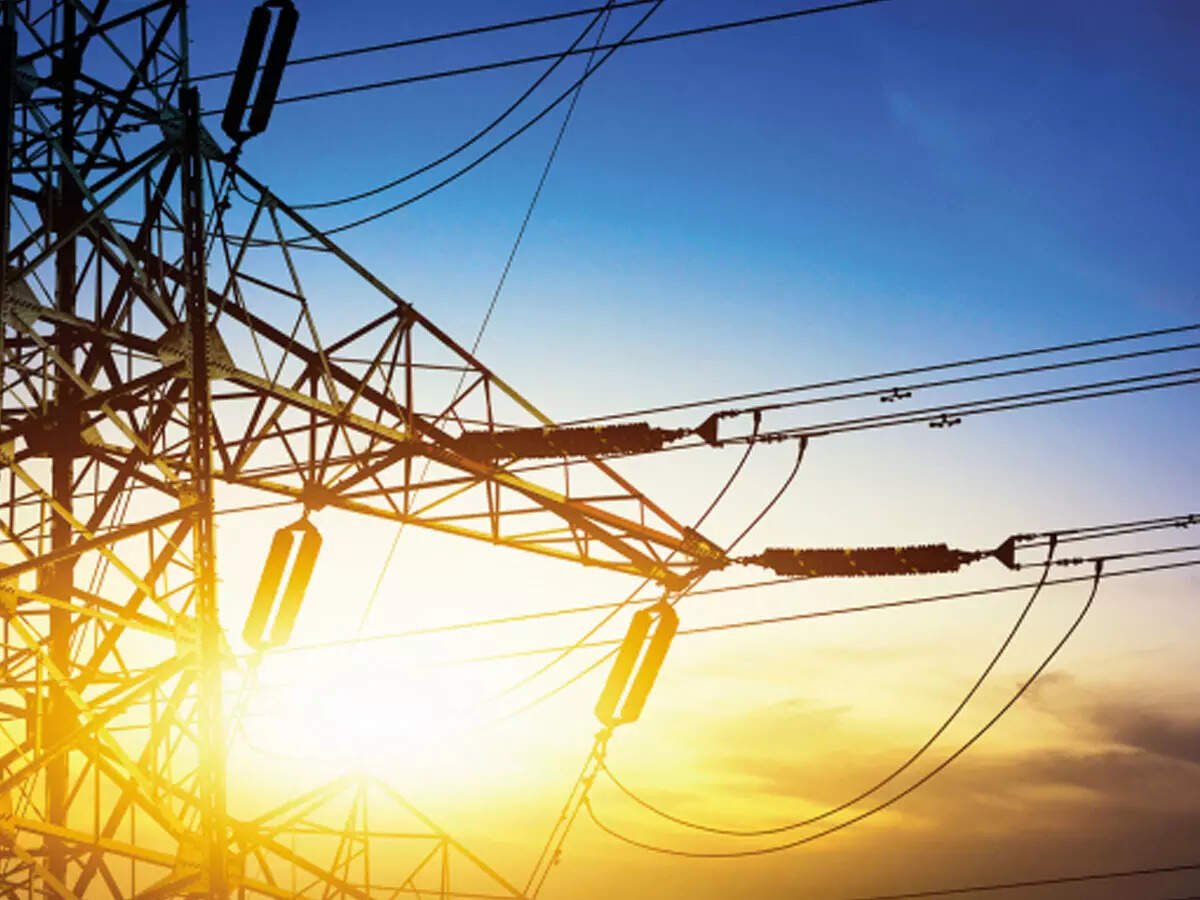
The Benefits of Selling Electricity Back to the Grid
Selling electricity back to the grid can have numerous benefits for homeowners and businesses alike. One of the main advantages is the potential for financial gain. By generating your own electricity through renewable energy sources such as solar panels, you can sell any excess power back to the grid. This means that rather than just consuming electricity, you can become a producer and earn money from your unused energy. Additionally, selling electricity back to the grid promotes sustainability and helps to reduce the demand for fossil fuel-based power generation.
How to Sell Electricity Back to the Grid in Maine
If you live in Maine and are interested in selling electricity back to the grid, there are a few things you need to know. First, you must have a renewable energy system installed on your property, such as solar panels or a wind turbine. These systems will generate electricity that can be fed into the grid. To start selling your excess power, you need to sign up for a net metering program with your utility company. This program allows you to receive credits for the electricity you put back into the grid, which can then be used to offset your future electricity bills. To learn more about selling electricity back to the grid in Maine.
Conclusion
The ability to sell electricity back to the grid presents a range of benefits for both individuals and the environment. By generating their own renewable energy, homeowners and businesses have the opportunity to not only offset their energy costs but also earn income from selling excess power. This financial gain incentivizes the adoption of renewable energy technologies and supports the transition towards a cleaner and more sustainable future. Furthermore, selling electricity back to the grid reduces the reliance on fossil fuel-based power generation, helping to decrease carbon emissions and promote a greener energy system. As the world continues to prioritize renewable energy, the market for selling electricity is expected to grow, offering even more opportunities for individuals and businesses to contribute to a more sustainable energy landscape.




Leave a Reply